Welcome back to The Movievaures Time Machine, where I revisit films from the past and see if they still hold up today. This time, I’m diving into A.I. Artificial Intelligence, a 2001 film directed by Steven Spielberg and originally conceived by Stanley Kubrick. A blend of science fiction and deep emotional storytelling, this movie explores artificial intelligence, human emotions, and what it truly means to be alive.
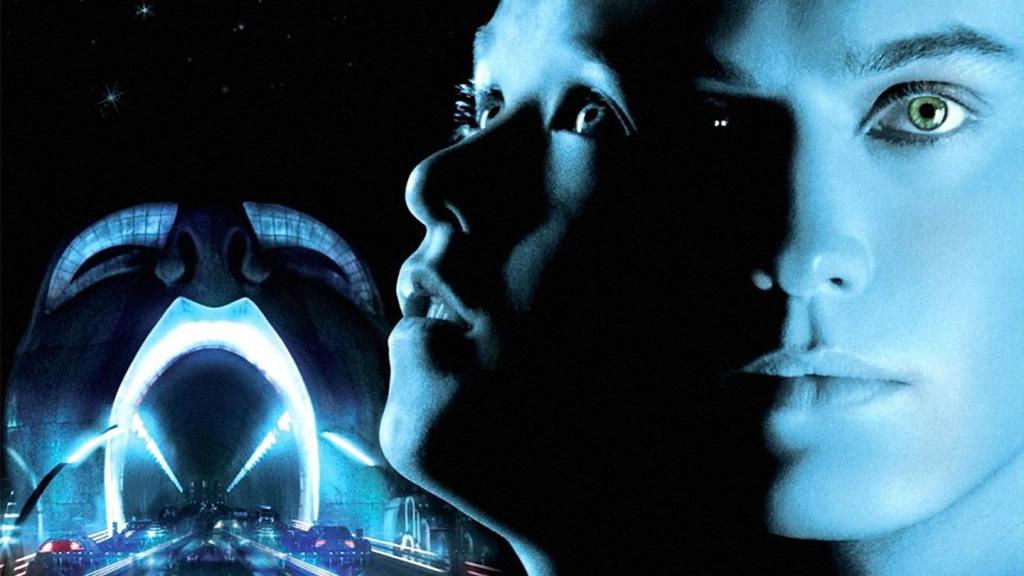
Over two decades later, with AI playing an increasingly prominent role in our world, does this film still hold up, or does it feel outdated? Let’s find out.
Non-Spoiler Synopsis
Set in a future where climate change has devastated the planet, A.I. Artificial Intelligence follows the story of David (Haley Joel Osment), a highly advanced robotic child programmed to love. Created by Cybertronics, he is placed in the home of a couple grieving the illness of their biological son. But when circumstances change, David is abandoned and forced to navigate a world that is not ready to accept machines with emotions.
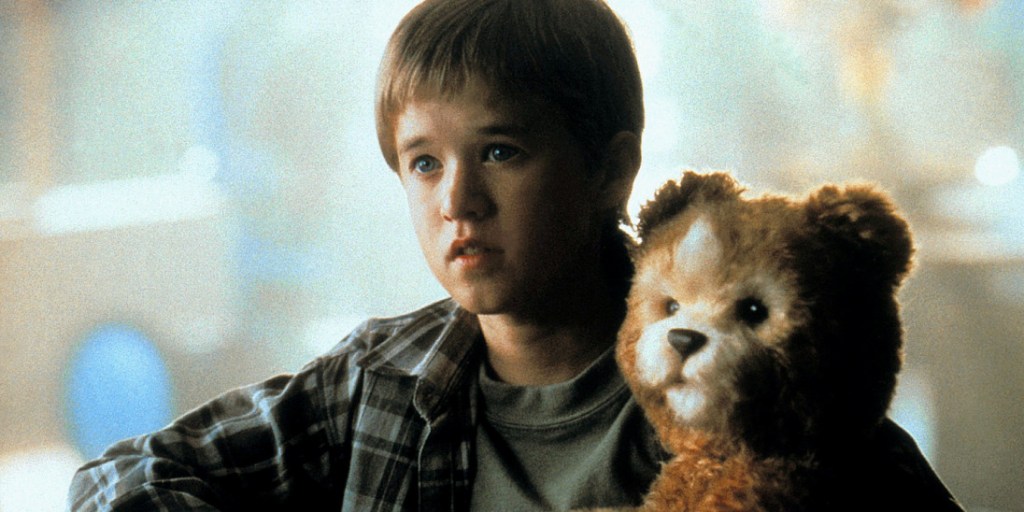
As David embarks on a quest to become “real” so that he can be loved, he encounters a variety of characters—including Gigolo Joe (Jude Law), a charming pleasure robot—who guide him through a world that fears and exploits artificial intelligence. This journey leads to profound moral and philosophical questions about what it means to be human and whether AI can ever truly experience love.
A Look Back at the Film
Seeing A.I. on the big screen again during a sci-fi film festival in France was an incredible experience. Watching it now, 24 years after its release, I was struck by how eerily relevant it remains. With the rapid advancements in AI today, this movie’s themes feel more pressing than ever. The questions it raises—about ethics, machine consciousness, and humanity’s fear of artificial intelligence—are no longer just science fiction but real-world concerns.

Spielberg’s direction is both breathtaking and heartbreaking. The film is visually stunning, blending a cold futuristic setting with moments of deep emotional warmth. Haley Joel Osment delivers a phenomenal performance as David, capturing the innocence, desperation, and unwavering hope of a machine trying to be accepted as human. Jude Law is also brilliant, bringing a unique mix of charm and melancholy to his role as Gigolo Joe.

But what truly stands out is the emotional weight of the story. This isn’t just a movie about AI—it’s a film about love, abandonment, and the lengths one will go to in search of belonging. The twists and turns throughout David’s journey keep you engaged, and the ending… well, let’s just say it’s unforgettable.
What Hasn’t Aged Well?
Honestly? Not much. Unlike many early 2000s sci-fi movies that feel dated due to their technology or special effects, A.I. still looks and feels modern. The CGI is impressive for its time and still holds up well today. The only thing that might feel slightly out of place is some of the early 2000s cinematography choices, but even that is minor.
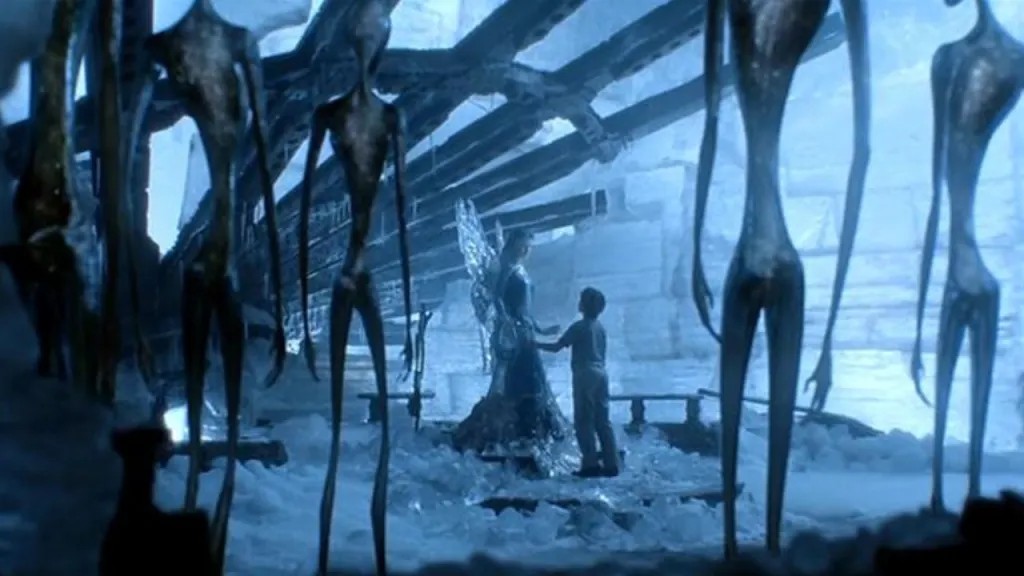
If anything, this movie has only gained more relevance with time. The way it explores the moral dilemmas of AI is even more poignant now, given the advancements in machine learning, robotics, and the ethical discussions surrounding them.

The only real critique I could make is that the pacing in the middle section of the film slows down a bit. But even then, it allows for deeper world-building and character development, so it’s hardly a flaw that takes away from the experience.
Public Reception Then and Now
When A.I. was first released in 2001, it received mixed reviews. Some critics praised it as a masterpiece, while others felt it was too sentimental or uneven in its storytelling. Many were also divided on the ending—some found it deeply moving, while others thought it was unnecessary or too drawn out.
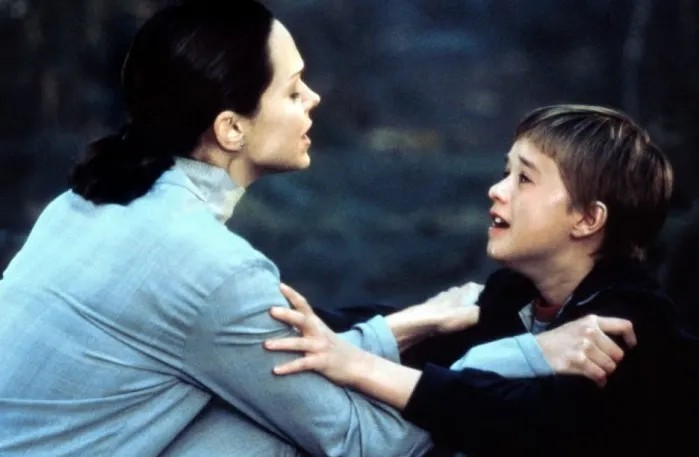
However, over the years, the film has gained a stronger reputation. As technology has advanced and AI has become a bigger part of our daily lives, audiences have started to appreciate just how ahead of its time A.I. truly was. Today, it’s often regarded as one of Spielberg’s most underrated films, with many praising its emotional depth and philosophical themes.
The Movievaures Time Machine Verdict
This movie has not aged a bit. Yes, you can tell it was made in another era—the small TV screens, the phones in cars—but none of that takes away from its brilliance. The story is still powerful, the themes still relevant, and the emotional impact just as strong as it was in 2001.
Watching it again, I was amazed at how A.I. manages to feel both futuristic and deeply human. It’s a film that makes you think, feel, and question the world around you. The acting is incredible, the world-building fantastic, and the story full of twists that keep you guessing until the very end.
If you haven’t seen A.I. Artificial Intelligence, I highly recommend it. It’s not just a great sci-fi film—it’s a cinematic experience that feels just as meaningful and timely today as it did over two decades ago.
Final Thoughts
Steven Spielberg’s A.I. Artificial Intelligence is a masterpiece that has only gotten better with time. It’s a film that explores what it means to be human, what it means to love, and whether machines can ever truly feel. In today’s world, where AI is evolving at an unprecedented rate, this movie feels more relevant than ever.

What do you think? Have you watched A.I. recently? Does it still hold up for you? Let me know in the comments, and don’t forget to follow The Movievaures Time Machine on Instagram for more deep dives into past classics!
 The Movievaures
Leave a comment